Fire shutters tested, certified, and ready to specify
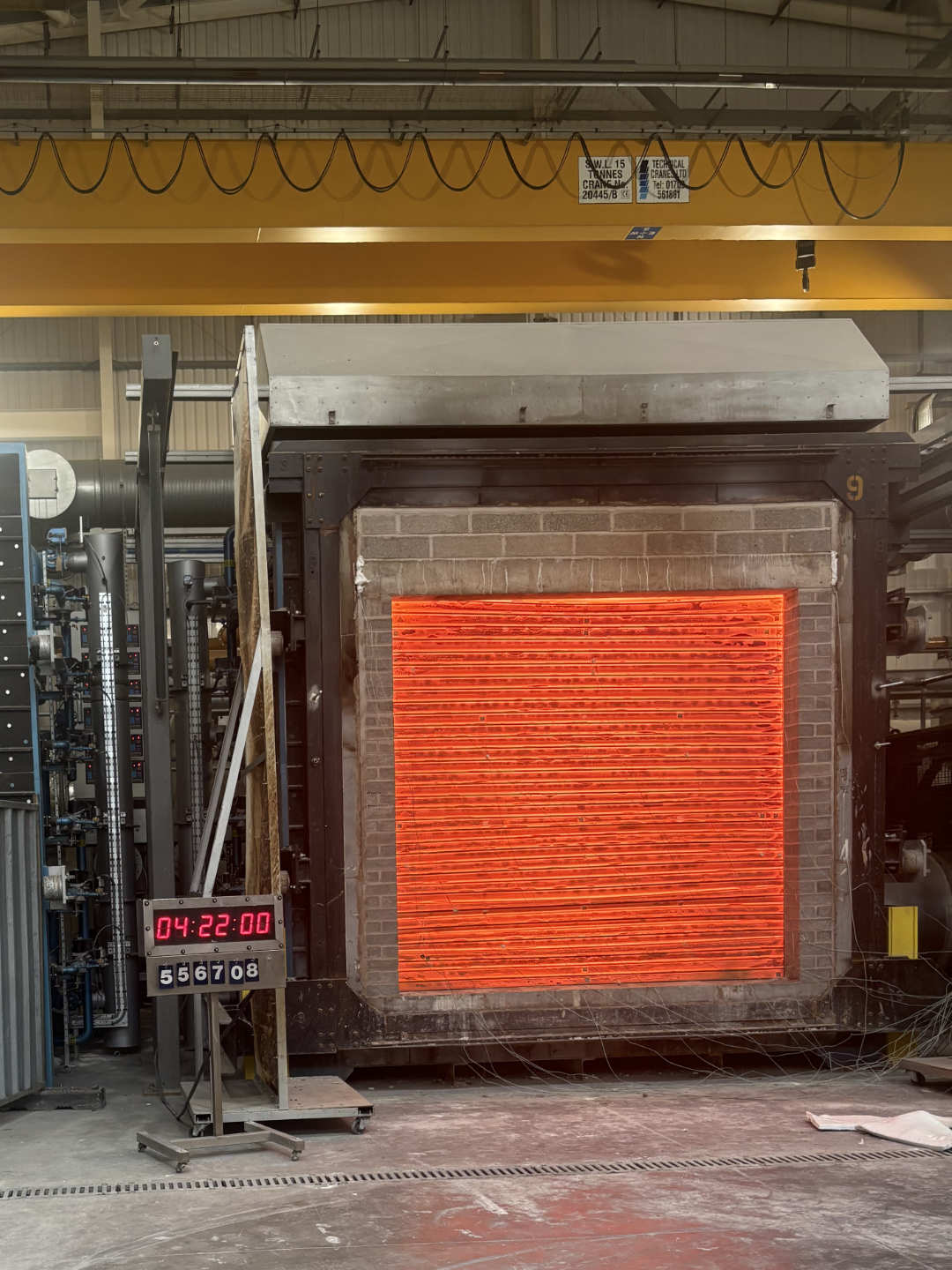
Independently tested by Warringtonfire to BS EN 1634-1. Classified to BS EN 16034. Full certification documentation provided at point of enquiry.
What is a fire shutter door?
Why pick a fire shutter door?
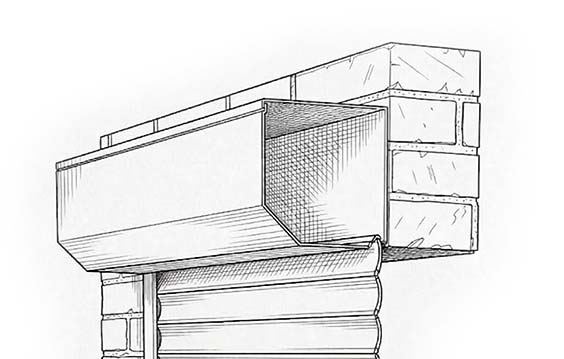
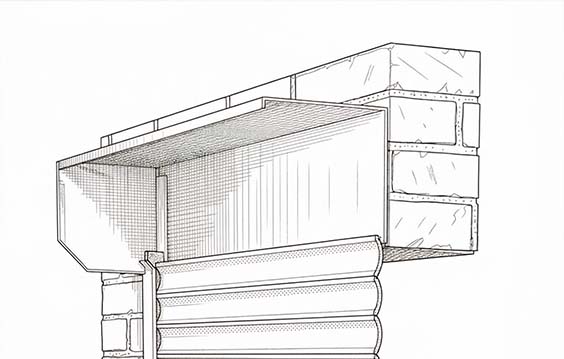
- A fire shutter looks similar to a standard commercial or industrial roller shutter, but it is a fundamentally different product with a completely different engineering purpose. A standard roller shutter is designed to provide security and weather protection. A fire shutter is designed to prevent the spread of fire and smoke from one part of a building to another, and to do so for a defined, tested period of time under actual fire conditions.
- When a fire alarm activates or a fusible link reaches its trigger temperature, the fire shutter closes automatically, without power if necessary, and holds its position for the rated duration. In a building where fire compartmentation is part of the life safety strategy, the fire shutter is the element that keeps the fire contained in one area while evacuation happens in another.
- This is why the certification matters. A shutter that hasn't been independently tested under BS EN 1634-1 fire conditions cannot demonstrate it will perform as claimed when a fire actually occurs.
Fire ratings explained.
Fire shutters are classified by how long they maintain integrity under BS EN 1634-1 test conditions. The rating tells you how many minutes the shutter can contain a fire before it fails.
Maintains integrity for a minimum of 30 minutes under fire test conditions. Appropriate for lower-risk internal compartmentation, separation between a service area and a retail floor, for example, or an internal office division where the fire risk and travel distances to escape are low.
The most commonly specified rating for standard commercial and industrial fire compartmentation. Required for separating different occupancies within a building, protecting escape routes, and meeting the fire strategy requirements of most standard commercial fit-outs and new builds.
Required for higher-risk applications. Separation between a building and an adjacent structure, protection of particularly high-risk occupancies, or where the fire strategy requires extended protection to allow fire service intervention. Often specified in larger industrial buildings, hospitals, and schools.
The highest standard rating, four hours of fire containment. Specified for the most critical fire compartmentation requirements: large warehouses storing hazardous materials, high-risk industrial processes, or buildings where the fire strategy requires maximum protection for occupant evacuation and fire service access.
Certification & compliance
- Tested to: BS EN 1634-1:2014 + A1:2018 the fire resistance test for door and shutter assemblies
- Classified to: BS EN 16034: the mandatory harmonised standard for fire shutters in the UK (compliance mandatory since 1st November 2019)
- Tested by: Warringtonfire Testing and Certification Limited: UKAS accredited, Approved Body Number 0833
- UKCA marked: Yes, the UK conformity marking required for construction products placed on the UK market
How our fire shutters are constructed
Understanding the construction matters because it explains why certified fire shutters cost more than standard shutters — and why the difference in specification between a certified and an uncertified product is not a minor detail.
Our fire shutter curtains are constructed from galvanised steel slats specifically engineered for fire resistance. The critical difference from a standard shutter is the intumescent material incorporated into the curtain design. Intumescent material expands significantly when exposed to heat — sealing gaps between slats and between the curtain and the guide channels that would otherwise allow flame and hot gases to pass through. Without this, a steel curtain would maintain structural integrity in a fire but fail to prevent the passage of smoke and flame through the joints.
The most commonly specified rating for standard commercial and industrial fire compartmentation. Required for separating different occupancies within a building, protecting escape routes, and meeting the fire strategy requirements of most standard commercial fit-outs and new builds.
Here is where a fire shutter is fundamentally different from a standard powered door: it must close when the power fails, not just when someone presses a button.
The shutter is spring-balanced so that when power is removed or the motor releases, the curtain descends by controlled gravity. It closes without power. It will close during a fire-induced power failure.
a heat-sensitive link fitted to the motor brake. When ambient temperature reaches approximately 72°C. indicating a fire in the vicinity, the link melts, releases the motor brake, and the shutter closes by controlled descent regardless of the electrical state of the building.
the shutter control panel is wired into your building's fire alarm system. When the alarm triggers, the shutter closes automatically. This is not optional. it is a requirement of BS EN 16034 installation.
the control panel includes battery backup ensuring the alarm interface and controlled close function remain operational during a power failure.
a hand chain override allows the fire brigade to raise the shutter manually once a fire is under control and access to the compartment is required.
Frequently Asked Questions
If you can't find the answer to your question, give us a call, we're happy to help.
For existing installations, the previous BS 476 standard shutters remain in place legally — they don’t need to be retrospectively replaced unless you are refurbishing the building, changing its use, or replacing the shutters. However, new shutters installed since November 2019, or replacements for existing shutters, must comply with BS EN 16034. If you’re unsure about your existing installation’s compliance status, consult a fire engineer.
Yes, we provide the full test certificate, Declaration of Performance (DoP), and UKCA marking documentation. These are available at point of enquiry so you can include them in a specification or submit to building control before placing an order.
We need a volt-free contact from your fire alarm panel — a standard output that most fire alarm systems provide. Your fire alarm contractor can confirm this. Where no fire alarm is present (for example in a small standalone unit), we can install a standalone heat detector as part of the fire shutter installation.
Yes, fire shutters can be operated normally for access control or security purposes during business hours. They are designed for dual use. The fire alarm interface overrides normal operation and initiates the fail-safe close regardless of the shutter’s current position.
The fail-safe design means the shutter will close by controlled gravity descent if power is removed for any reason, not just in a fire. This is by design. If your operation requires the shutter to remain open during a power failure, discuss this with us at specification stage — there are solutions involving battery-maintained hold-open, but these need to be carefully specified against your fire strategy.
By your fire engineer or building control officer as part of the building’s fire strategy. If you’re replacing an existing shutter, the rating should match what was originally specified unless a fire engineer has reviewed the strategy. We can advise on what’s typically specified for your building type but cannot replace fire engineering advice for compliance purposes.
- 0191 691 7810
Phone number
- sales@rsd-co.co.uk
Email
Address
The Roller Shutter Door Company, Unit C, Sunrise Enterprise Park, Ferryboat Lane, Sunderland SR5 3RX
Speak to us
Whether you need an instant price for a home garage door or a full site survey for a commercial unit, our Sunderland team is ready to help. No hard selling—just honest advice from the people who build the doors.